

Agriculture and humankind have transformed each other for millennia, but new factors have altered the balance and accelerated the change. Disruptive technologies, relentless global competition, and urgent ecological concerns are forcing agribusiness leaders to undertake bold innovations that are sustainable—both for the planet and the corporate bottom line.
For decades, recurrent drought & other impacts of climate change have negatively affected Somalia and East Africa’s ASAL areas. Prior neglect of these regions for years by the national administration further aggravates the situation, making the region one of the poorest. Annually, drought affects million people in the ASALs, & an estimated 50-60% of livestock (shoats, camels and cattle) die, thus resulting to community’s loss of lives & livelihoods. The current ability of the communities to respond to drought is limited not only due to the increasing frequency, but also due to increasing population, a dwindling supply of food, perennial resource-based conflict, changes in access to land and water, plus impact of other shocks such as flooding and disease outbreaks. Previous emergency interventions by Governments & development partners have been effective in saving lives, but they have not been designed to address the chronic food & nutritional insecurity that characterizes the ASALs regions. As a result, general vulnerability and poverty levels in the regions remain very high.
Poverty, food insecurity, undernutrition, and income inequality remain high in Somalia, particularly in the Arid and Semi-Arid Lands (ASALs). In addition to recurrent drought, human conflict and a legacy of marginalization by the national government and limited international investments have characterized the situation in the region. This is further exacerbated by impacts of Climate Change which worsens the situation, and remains as one of the biggest threat to the livelihoods of the communities. As a result, loss of human and livestock, emergency food insecurity levels, and severe socio-economic consequences have become a common occurrence in the region, with millions left dependent on humanitarian aid.
Tashi International Initiative for Innovation, Science and Economic Development’s work on food security and livelihood strengthening programme integrates both immediate humanitarian response interventions and long-term development work to cushion the communities from immediate vulnerabilities while building their long-term adaptive capacity. We integrate components of Disaster Risk Reduction (DRR), nutrition, livelihoods diversification and animal health promotion. Priority interventions include increasing adaptability, reducing risk, and improving social and economic conditions to target the causes of vulnerability. More specifically, our immediate humanitarian interventions focus on distribution of food & water, as well as provision of conditional and non-conditional cash transfer to affected households among others. On the other hand, to build long-term development in the targeted areas of the country, our efforts build on traditional institutions combined with modern practices, technologies and governance concepts.
We prioritize strategic interventions that respond to the specific needs of the ASAL communities. We build capacities of local communities on different adaptive interventions including promotion of drought resistant crops and advancement of sustainable range-land management for livestock. We also strengthen the livestock value chain, and support the adoption of alternative livelihood intervention measures. We closely collaborate with other development actors including both local and international organizations, as well as national and county government to build on community-identified strengths and priorities, while tapping into the remarkable survival abilities of local populations.
Tashi International Initiative for Innovation, Science and Economic Development can help you meet these challenges, and prosper. With global engagements across every region and sector of the industry, our agriculture consulting teams have the experience to help you grow sustainably, transform your cost structure, or update your operating model.
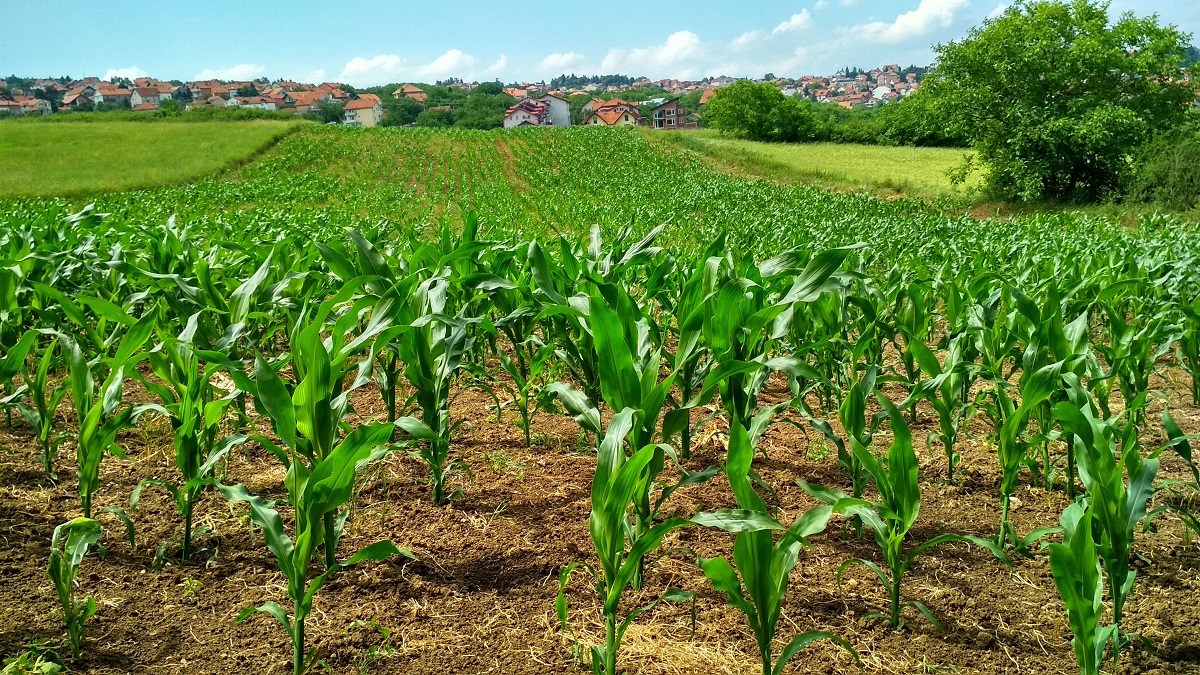
Our global network of experts will introduce you to the latest advances in regenerative and green agriculture, alternative protein, fermentation, and plant-based protein production. Our deep experience across the entire agricultural value chain means we can help you seize opportunities related to fertilizers, equipment, and biofuels. Our consultants have helped clients improve yields and capture more profit, whether they produce dairy, seeds, beef, chicken, turkey, fish, or nearly any variety of crops, including corn, wheat, rice, oilseeds, and sugarcane.
Rising global demand and limited arable land mean it’s more critical than ever to maximize your yields and streamline your operating model. We specialize in helping you achieve a self-reinforcing cycle of discipline that merges operational excellence, capital productivity, commercial excellence, technology and data, and organizational capabilities.
Feeding the world population in the decades to come will require agriculture companies to operate with vision, discipline, and adaptability. We can help you meet every challenge—even those that remain unforeseen.
Considering that the value of Africa’s food market is projected to grow to USD 1 trillion by 2030 and currently Africa imports food worth USD 35 billion per year, there is a huge opportunity for youth to become employed in the agriculture sector. For agriculture to be attractive to the youth, The firm believes that significant investments must be made in agricultural education at all levels including rebranding away from the belief that it is for people who cannot make a livelihood elsewhere. That agriculture should be positioned as the new unexplored frontier for business opportunities.
Agricultural innovations must therefore be supported; market and rural infrastructure must be improved; and the business environments must be strengthened in ways that raise meaningful and sustainable incomes and expand agriculture value chains.
The youth represent an enormous opportunity for Africa’s agriculture transformation given their literacy levels, greater understanding of information and communication tools, increased appreciation of value addition and energy compared to the older generation. Due to their ability to adapt to new methodologies and technologies, young people have a vital role to play in modernizing and transforming the agricultural sector. Innovations in technology are further contributing to advancing value chains and providing new employment opportunities for the youth. The youth are well positioned to fix the broken supply chains and low adoption of technologies that cause low productivity.
Tashi International Initiative for Innovation, Science and Economic Development also help rural communities growing crops such as coffee and oilseeds, managing fisheries and rearing livestock to increase the quality and quantity of what they produce and build their links to markets, while protecting the environment for years to come.
Our team of consultants with vast experience of supporting farmers in eastern Africa, The firm helps smallholder farmers to:
Pastoralism is a vital part of the African economy – 66% of Africa’s land is used to graze animals. Animals are generally a family’s most valuable asset, providing dairy products to sell, pulling power for farm ploughs and transport for the family. Many of the continent’s poorest farmers earn their livings by selling livestock and animal products.
Yet while this is very traditional way of life, there are also new opportunities for farmers to make money. But livestock farmers face huge challenges in taking advantage of these opportunities – they have no technical advice, limited access to markets and lack the high quality feed and vaccines needed to keep their animals healthy.
Tashi International Initiative for Innovation, Science and Economic Development give farmers the advice and the products they need through training sessions, farming cooperatives and supporting Community Animal Health Workers. Because when they have the right support, pastoralists can increase their incomes and work their way out of poverty.
We’ve put together a few inspiring stories from livestock farmers who have turned their animals into thriving businesses, and whose lives have been transformed. With your support, we can help even more livestock farmers build a more prosperous future.
Contact Information
-
City Mall, Xamarweyne
Mogadishu, Somalia - +254 797 777 186
- info@tashiinternational.com